How AIEnhancer AI Room Design Turns Real Rooms into Flexible Design Visions
Interior design rarely starts from nothing. It starts from a space you already live in, with its own light, proportions, and limitations. The challenge is imagining what that space could become without getting lost in endless references or technical drawings. AI-driven visualization has started to close that gap, making experimentation faster, more intuitive, and surprisingly grounded in reality.
Understanding How AIEnhancer Approaches Interior Transformation
From a Single Photo to Multiple Design Directions
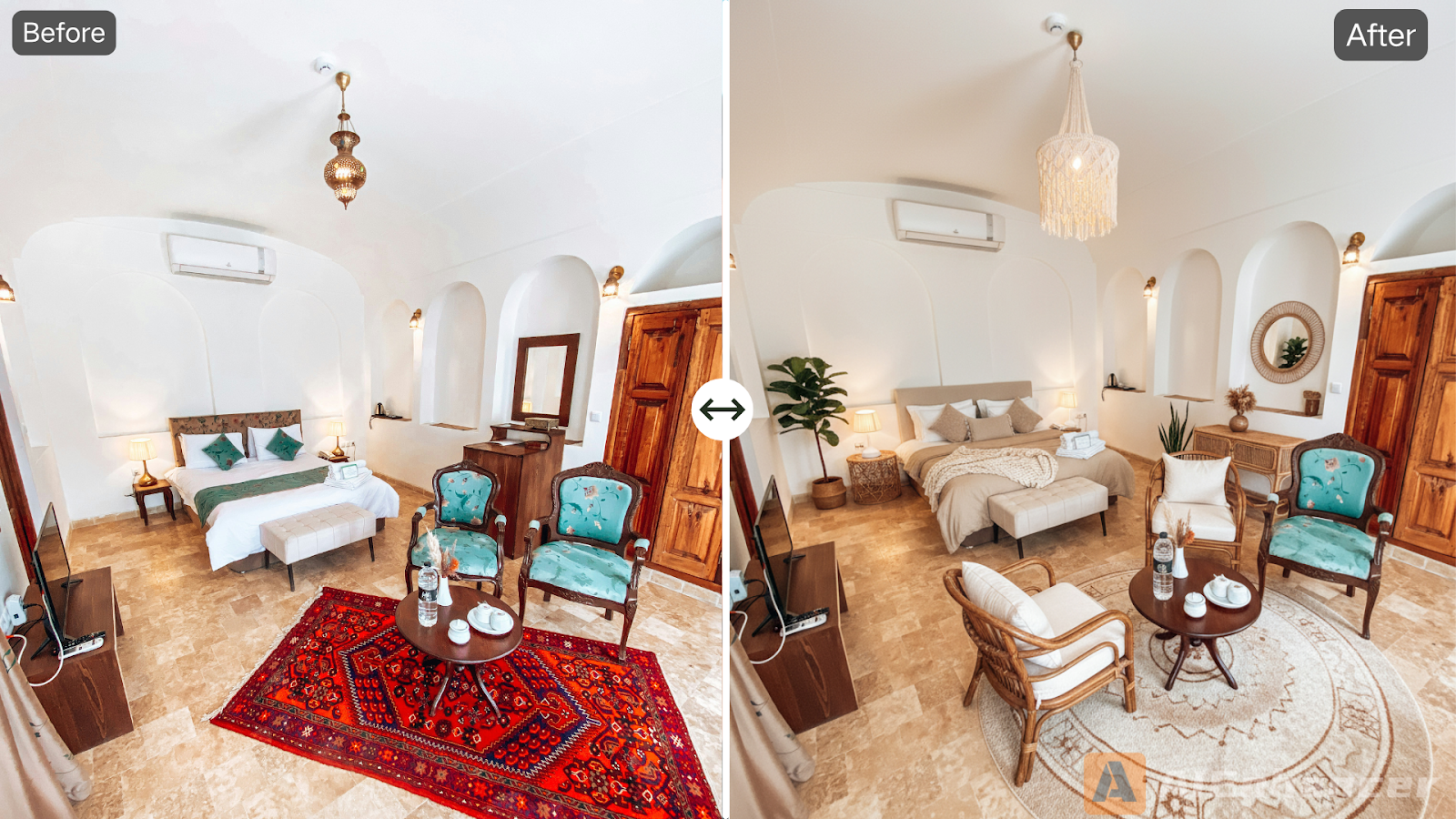
AIEnhancer works from a simple premise that feels almost obvious in hindsight: the room you already have should be the starting point. By uploading one interior image, users can explore multiple stylistic outcomes that respect the structure of the space. The first time people encounter AI room design in this form, it often feels less like automation and more like a rapid sketching process that happens to be visual.
Why Context Matters More Than Templates
Generic templates tend to flatten spaces, forcing every room into the same proportions and lighting assumptions. AIEnhancer reads context instead. Windows remain where they are, ceiling height still matters, and awkward corners are not magically erased. This sensitivity is what allows AI room design outputs to feel plausible rather than aspirational in a vague, unusable way.
Speed That Supports Better Judgment
Quick generation is not just about saving time. It creates space for comparison. When you can see several interpretations of the same room side by side, your preferences sharpen. AI room design becomes a tool for decision-making, even when the final choice takes longer than expected.
Exploring Interior Styles with AIEnhancer
Modern Style as a Study in Balance
Modern interiors rely on restraint, but restraint is harder than it sounds. Too little detail feels sterile; too much breaks the mood. AIEnhancer’s Modern style tends to hover in that in-between space, adjusting surfaces, furniture presence, and color contrast with a light touch. In many cases, AI room design here feels like editing rather than redesigning.
Industrial Interiors with Weight and Texture
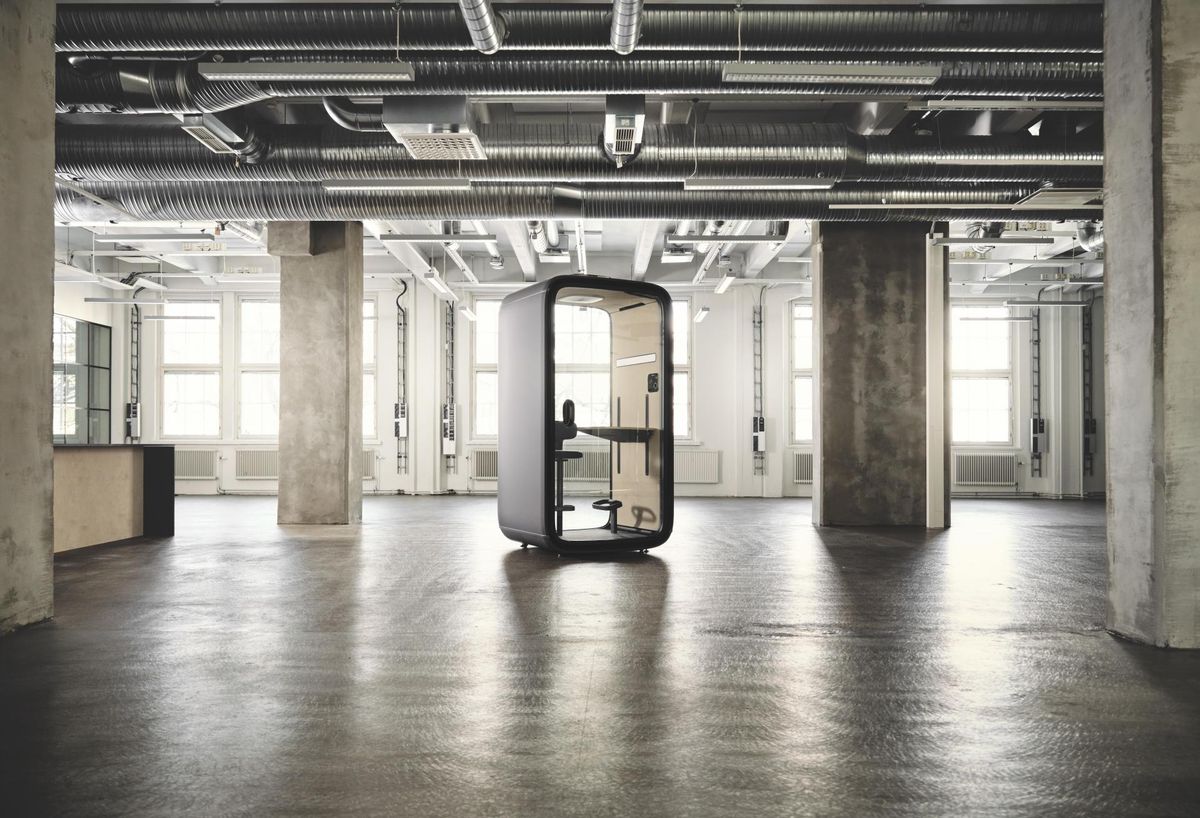
Industrial spaces demand credibility. Exposed materials need to look heavy, worn, and intentional. AIEnhancer emphasizes texture depth and shadow, so brick, metal, and concrete don’t appear flat. This is where AI room design starts to suggest atmosphere, not just layout, and the room begins to feel grounded.
Minimalist Rooms That Avoid Emptiness
Minimalism often gets misunderstood as removal for its own sake. AIEnhancer approaches Minimalist style by keeping visual noise low while maintaining warmth through proportion and light. The resulting AI room design outputs feel calm, but not abandoned, which is a subtle distinction many tools miss.
Rustic and Scandinavian Interpretations of Comfort
Rustic and Scandinavian styles share an appreciation for natural materials, yet they communicate comfort differently. AIEnhancer leans into wood tones, fabric softness, and diffused light to separate the two. In both cases, AI room design helps users sense how material choices affect mood, even before thinking about exact products.
Bohemian Design Without Visual Overload
Bohemian interiors thrive on personality, but too much expression can overwhelm a space. AIEnhancer keeps the structure of the room steady while letting color and pattern emerge gradually. AI room design in this style often feels exploratory, almost like testing how far you can push character without losing coherence.
Beyond One Room: Seeing the Whole Space
Interior Concepts That Inform Exterior Choices
Interior decisions rarely exist in isolation. A cohesive home benefits from visual continuity between inside and out. AIEnhancer allows users to carry interior ideas into broader property concepts, which is where its approach to house design fits naturally. The transition feels less like switching tools and more like widening the lens.
Maintaining Consistency Across Multiple Rooms
Design inconsistency often happens unintentionally. Different inspirations for different rooms slowly drift apart. By generating multiple rooms through the same system, AI room design supports a shared visual language. Even when styles vary slightly, the home still feels like one idea expressed in different ways.
Working Within Real-World Constraints
No AI output exists in a vacuum. Budgets, existing furniture, and structural limits always intervene. While AIEnhancer doesn’t replace professional planning, AI room design outputs often reveal which elements are flexible and which are essential. That insight alone can save time and frustration later.
Practical Applications for Different Users
Designers Using AI as a Concept Accelerator
For professional designers, early concepts can consume disproportionate energy. AIEnhancer shortens that phase, offering visual directions that can be refined rather than invented from scratch. AI room design becomes a starting point, not a conclusion, leaving room for expertise and intuition.
Homeowners Clarifying Their Own Taste
Many homeowners know what they dislike more clearly than what they want. Seeing multiple design interpretations of the same room can be clarifying in unexpected ways. AI room design helps turn vague reactions into concrete preferences, even if the final renovation takes months.
Real Estate Visualization and Presentation
Empty rooms or dated interiors often fail to communicate potential. AI-generated visuals offer a believable future without heavy staging costs. In this context, AI room design supports storytelling, helping viewers imagine themselves in the space rather than just observing it.
The Evolving Role of AI in Interior Creativity
Collaboration Over Replacement
There is a lingering fear that AI will flatten creativity. In practice, tools like AIEnhancer tend to shift where creativity happens. The human role moves toward selection, refinement, and judgment. AI room design supports that shift by handling repetition while leaving taste firmly in human hands.
Learning Through Repetition and Adjustment
Each generated image teaches something, even when it feels slightly off. Over time, users develop a sharper sense of proportion, color balance, and style boundaries. AI room design quietly becomes a learning environment, not just a visualization engine.
Accessibility Without Oversimplification
High-quality visualization once required specialized software and training. AIEnhancer lowers that barrier without reducing design to a toy. AI room design makes experimentation accessible, but the results still reward thoughtful engagement.
Interior design will always involve uncertainty. What AIEnhancer offers is not certainty, but clarity—clearer options, clearer reactions, clearer next steps. In that sense, AI room design feels less like a trend and more like a practical evolution in how people think about the spaces they inhabit.
Interior design rarely starts from nothing. It starts from a space you already live in, with its own light, proportions, and limitations. The challenge is imagining what that space could become without getting lost in endless references or technical drawings. AI-driven visualization has started to close that gap, making experimentation faster, more intuitive, and surprisingly grounded in reality.
Understanding How AIEnhancer Approaches Interior Transformation
From a Single Photo to Multiple Design Directions
AIEnhancer works from a simple premise that feels almost obvious in hindsight: the room you already have should be the starting point. By uploading one interior image, users can explore multiple stylistic outcomes that respect the structure of the space. The first time people encounter AI room design in this form, it often feels less like automation and more like a rapid sketching process that happens to be visual.
Why Context Matters More Than Templates
Generic templates tend to flatten spaces, forcing every room into the same proportions and lighting assumptions. AIEnhancer reads context instead. Windows remain where they are, ceiling height still matters, and awkward corners are not magically erased. This sensitivity is what allows AI room design outputs to feel plausible rather than aspirational in a vague, unusable way.
Speed That Supports Better Judgment
Quick generation is not just about saving time. It creates space for comparison. When you can see several interpretations of the same room side by side, your preferences sharpen. AI room design becomes a tool for decision-making, even when the final choice takes longer than expected.
Exploring Interior Styles with AIEnhancer
Modern Style as a Study in Balance
Modern interiors rely on restraint, but restraint is harder than it sounds. Too little detail feels sterile; too much breaks the mood. AIEnhancer’s Modern style tends to hover in that in-between space, adjusting surfaces, furniture presence, and color contrast with a light touch. In many cases, AI room design here feels like editing rather than redesigning.
Industrial Interiors with Weight and Texture
Industrial spaces demand credibility. Exposed materials need to look heavy, worn, and intentional. AIEnhancer emphasizes texture depth and shadow, so brick, metal, and concrete don’t appear flat. This is where AI room design starts to suggest atmosphere, not just layout, and the room begins to feel grounded.
Minimalist Rooms That Avoid Emptiness
Minimalism often gets misunderstood as removal for its own sake. AIEnhancer approaches Minimalist style by keeping visual noise low while maintaining warmth through proportion and light. The resulting AI room design outputs feel calm, but not abandoned, which is a subtle distinction many tools miss.
Rustic and Scandinavian Interpretations of Comfort
Rustic and Scandinavian styles share an appreciation for natural materials, yet they communicate comfort differently. AIEnhancer leans into wood tones, fabric softness, and diffused light to separate the two. In both cases, AI room design helps users sense how material choices affect mood, even before thinking about exact products.
Bohemian Design Without Visual Overload
Bohemian interiors thrive on personality, but too much expression can overwhelm a space. AIEnhancer keeps the structure of the room steady while letting color and pattern emerge gradually. AI room design in this style often feels exploratory, almost like testing how far you can push character without losing coherence.
Beyond One Room: Seeing the Whole Space
Interior Concepts That Inform Exterior Choices
Interior decisions rarely exist in isolation. A cohesive home benefits from visual continuity between inside and out. AIEnhancer allows users to carry interior ideas into broader property concepts, which is where its approach to house design fits naturally. The transition feels less like switching tools and more like widening the lens.
Maintaining Consistency Across Multiple Rooms
Design inconsistency often happens unintentionally. Different inspirations for different rooms slowly drift apart. By generating multiple rooms through the same system, AI room design supports a shared visual language. Even when styles vary slightly, the home still feels like one idea expressed in different ways.
Working Within Real-World Constraints
No AI output exists in a vacuum. Budgets, existing furniture, and structural limits always intervene. While AIEnhancer doesn’t replace professional planning, AI room design outputs often reveal which elements are flexible and which are essential. That insight alone can save time and frustration later.
Practical Applications for Different Users
Designers Using AI as a Concept Accelerator
For professional designers, early concepts can consume disproportionate energy. AIEnhancer shortens that phase, offering visual directions that can be refined rather than invented from scratch. AI room design becomes a starting point, not a conclusion, leaving room for expertise and intuition.
Homeowners Clarifying Their Own Taste
Many homeowners know what they dislike more clearly than what they want. Seeing multiple design interpretations of the same room can be clarifying in unexpected ways. AI room design helps turn vague reactions into concrete preferences, even if the final renovation takes months.
Real Estate Visualization and Presentation
Empty rooms or dated interiors often fail to communicate potential. AI-generated visuals offer a believable future without heavy staging costs. In this context, AI room design supports storytelling, helping viewers imagine themselves in the space rather than just observing it.
The Evolving Role of AI in Interior Creativity
Collaboration Over Replacement
There is a lingering fear that AI will flatten creativity. In practice, tools like AIEnhancer tend to shift where creativity happens. The human role moves toward selection, refinement, and judgment. AI room design supports that shift by handling repetition while leaving taste firmly in human hands.
Learning Through Repetition and Adjustment
Each generated image teaches something, even when it feels slightly off. Over time, users develop a sharper sense of proportion, color balance, and style boundaries. AI room design quietly becomes a learning environment, not just a visualization engine.
Accessibility Without Oversimplification
High-quality visualization once required specialized software and training. AIEnhancer lowers that barrier without reducing design to a toy. AI room design makes experimentation accessible, but the results still reward thoughtful engagement.
Interior design will always involve uncertainty. What AIEnhancer offers is not certainty, but clarity—clearer options, clearer reactions, clearer next steps. In that sense, AI room design feels less like a trend and more like a practical evolution in how people think about the spaces they inhabit.
link