Sustainable strategies for fixing housing supply gaps
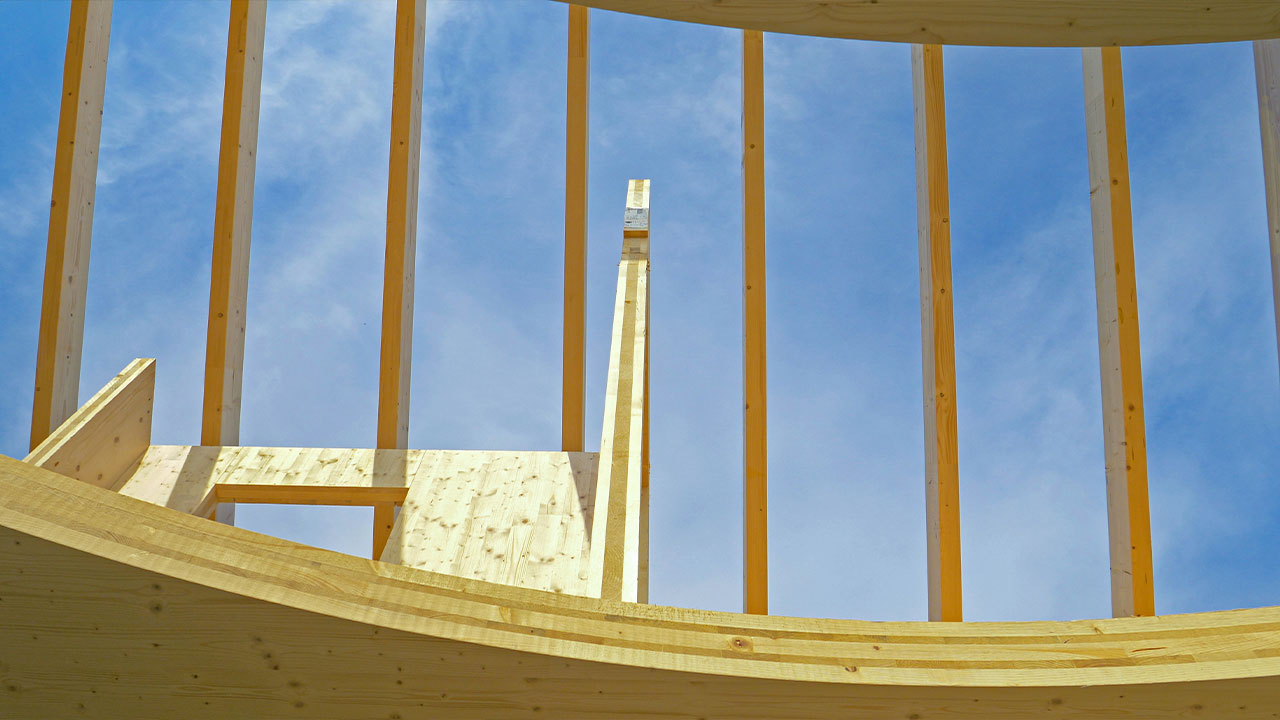
On a sustainability front, cross-laminated timber is considered better than steel for its carbon-sequestering properties and renewable nature. It is also lighter, enabling faster construction with a comparable structural performance to steel, but lower embodied energy.
Modular construction is also gaining traction, with prefabricated homes reducing waste and accelerating builds.
For Mick Fabar, founder and CEO of Green Homes Australia (GHA), the notion that sustainable building is inherently expensive is a relic of the 1970s. “People think green homes require recycled car tires or bottles. We think that is outdated. We use everyday materials from local hardware stores — the difference is how we design,” says Fabar.
GHA’s approach prioritises size-efficient designs for tackling housing shortages, using principles like building orientation, thermal mass and airtight sealing to reduce energy use by 70 per cent compared to standard homes.
Its energy-neutral 9.2-star home in Perth, Australia’s most sustainable two-storey home, and its 8.5-star display home in Sydney, prove that rethinking housing design for climate resilience works at scale.
“These homes aren’t niche. They’re built traditionally, with standard contractors, but designed smarter,” Fabar explains.
Bank support needed
The real barrier to widespread adoption of green building practices lies in outdated valuation practices. “A 9-star, 250-square-metre home and a 6-star home of the same size are valued identically. Banks ignore lifetime energy savings or resilience,” says Fabar.
This disconnect highlights how housing size influences sustainability and affordability.
Recent green financing initiatives hint at progress. For instance, Bank Australia supports green homes through its clean energy home loan.
“We use our standard valuation practices for all our home loans, which involves independent-valuation firms assessing the property at a value dictated by the market,” says Jane Kern, Bank Australia’s head of impact management.
“Our clean energy home loan provides customers with a reduced interest rate for up to five years as an incentive to buy or build energy-efficient homes.”
Kern believes mandatory climate disclosure for companies may prompt more banks to offer support for green homes.
“Better information for home buyers on a home’s energy efficiency might drive increased valuations for green homes in future. Disclosure of energy ratings when a home is for sale could also help people factor that information in to how attractive a property is,” she says.
In an effort to boost housing supply, the Commonwealth Bank has recently announced a prefabricated housing policy update with prefabAUS. This means customers can access progress payments before a prefab property is fixed to land, instead of having to fund up to 90 per cent of the upfront costs themselves, as was previously the case.
As they are quick and easy to build, prefab homes are likely to be part of the solution to the housing availability and affordability challenge.
While valuers may reject the idea of considering a home’s green credentials, property data shows sustainable properties sell for more than their less environmentally friendly counterparts. Research by real-estate company Domain indicates energy-efficient houses attract an average premium of A$112,000, while energy-efficient units attract a premium of A$70,000.
This disconnect stifles demand. “Until valuers recognise energy performance metrics, we’ll keep churning out inefficient homes,” Fabar says.
Over time, there is an opportunity to better embed sustainability criteria into lending practices. “Finance drives scale. Banks must require certifications like Green Star,” Monavari urges.
link
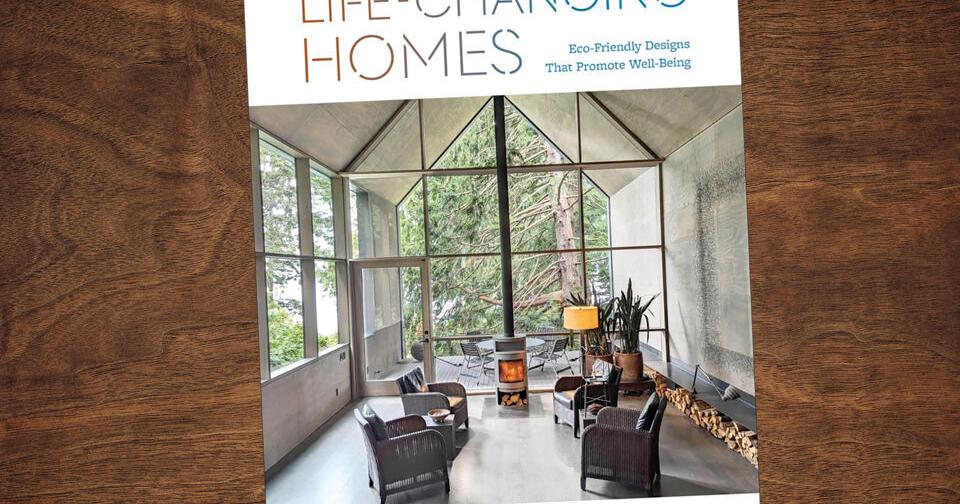
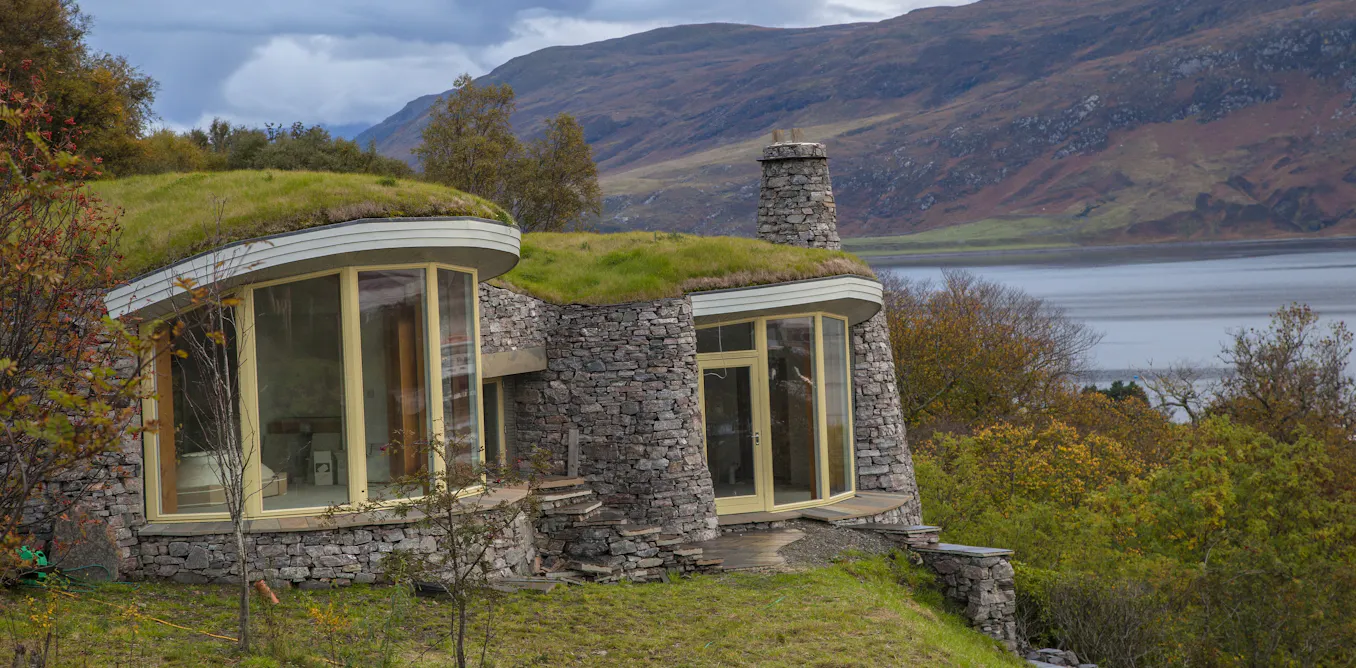
.jpg "8 sustainable homes that are built with climate-responsive materials")